Make no mistake about it – enlightenment is a destructive process. It has nothing to do with becoming better or being happier. Enlightenment is the crumbling away of untruth. It’s seeing through the facade of pretense. It’s the complete eradication of everything we imagined to be true. ~ Adyashanti
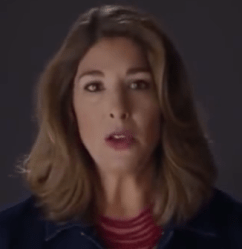
Naomi Klein: “The worst is yet to come!”
What happens when disaster strikes? What do we do when all normalcy ceases? To whom do we turn when events like the recent Manchester bombing, the Paris attack or events like those on the morning of September 11th, 2001 in New York occur? In her new book, No is Not Enough, activist and author Naomi Klein encourages us to be prepared for such disasters—which she calls “shock” events—not so much for the event itself but for likely actions by the U.S. government in the wake of these occurrences.
In the video below, Amy Goodman of DemocracyNow! interviews Naomi Klein about her book 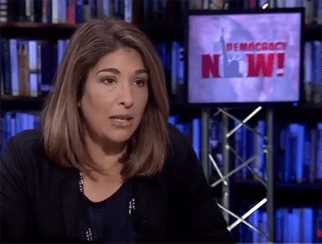 and the general proposal that in the wake of a cataclysmic event, the U.S. government is likely to invoke a series of actions designed to tighten control of the general public. Under the guise of national security relative to a shock event, the government is likely to suspend civil liberties, human rights and the right to privacy. (Part 2 of the interview begins at approximately the 2:20 minute mark and lasts about 15 minutes). In addition to the usual question and answer format, the interview presents a video within the video. In the internal video, produced by the Intercept, Naomi describes a five step preparedness toolkit. She urges us to anticipate inevitable crises, at which times we need to be prepared to mobilize rather than comply with the government’s attempts to contain us—to keep us in our homes, for instance, “for our own safety”. We need to be mindful of the history of the previous U.S. government’s uncharacteristically freedom-destroying responses such as internment of Japanese-Americans during WWI, deportation of Mexicans and Mexican-Americans in the early 1930’s and abandonment of freed slaves in the wake of the Civil War. (more…)
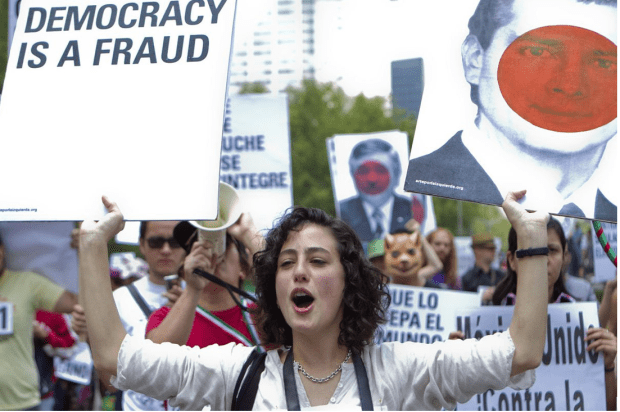 Clasos/CON/Getty

 Seeking Good