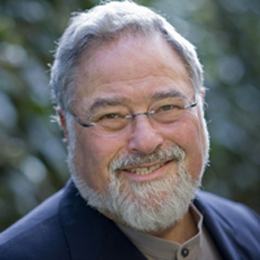
Truth and communication represent two major themes here at seekingGood. Cognitive scientist George Lakoff has commented frequently in recent months regarding specific statement and the general presentation of the current “Loser President”. Communication can be a tricky business–all the more so when the speaker has no intention of either presenting truth or allowing the truth to be presented. Lakoff has highlighted four specific tactics (depicted below) the current president uses in his tweets. Each is designed to evade the truth in any given situation. None of them are particularly unique. However, each is a tactic well worth understanding such that you can watch for them as you read or hear anything from anyone.
Communication
Symbols and Communication
Language and Resistance
(Posted by Academe Blog)
Most of us are unaware of the many layered aspects of language. The relative absence of such awareness can often cost us in ways of which we will never be aware. When attempting to influence opinion using words (or sometimes behaviors) in the public sphere, a heightened awareness of our use of language can significantly increase the success of our efforts. In a Feb 07, 2017 Travis Smiley interview, George Lakoff, a distinguished linguist, shared some ideas for effectively reaching the broadest spectrum of individuals. You can also read Lakoff’s comments from July 2016 regarding the current president during the campaign.
Speak it, Focus on it, Make it Real
What is the nature of truth? How do we know? When does repetition become truth, “trumping” other ideas to the contrary? As George Lakoff, distinguished cognitive scientist and linguist, suggests, merely focusing on an idea can validate it.
When do we, by choosing where we focus our attention, create that which we, ourselves, value as not Good? We must remain vigilant about that to which we attend. Sounds strange, but sometimes Good is Ignor-ance.
George P. Lakoff is an American cognitive linguist and philosopher, best known for his thesis that lives of individuals are significantly influenced by the central metaphors they use to explain complex phenomena. (Wikip